
Explosion-proof lighting is used in industrial areas where flammable gases, vapors, or combustible dust may be present. For procurement teams, choosing a suitable supplier requires more than comparing price, wattage, or housing materials. Factory capability, certification scope, production control, technical communication, and project experience all influence whether equipment can match a hazardous-area application.
We suggest evaluating these factors as one system. This approach helps buyers identify technical gaps before production begins and gives engineering, purchasing, and project teams a clearer basis for supplier review. It also makes later technical communication more efficient because key requirements have already been defined.
What Should Be Checked Before Supplier Evaluation?
We usually start with the operating environment. Gas group, dust group, zone classification, temperature class, ambient temperature, corrosion exposure, mounting method, and cable entry requirements can all affect product selection. Clear site information allows the supplier to recommend products according to actual project conditions rather than giving a general catalogue answer.
When comparing explosion proof lighting manufacturers, buyers should review whether the proposed product is covered by the relevant certificate. Certificate numbers alone are not enough. The model, protection method, marking, applicable standard, and intended hazardous area should be consistent with the product being quoted.
We also recommend checking the technical document package. Datasheets, drawings, certificates, installation instructions, and product labels should use consistent model information. This reduces confusion during design review, inspection, commissioning, and later maintenance. Document consistency also helps different project teams work from the same technical basis.
How Does Production Control Support Product Consistency?
Factory evaluation should include the manufacturing process, not only the finished sample. Material receiving, machining, enclosure preparation, wiring, sealing, assembly, and final inspection should follow defined procedures. For explosion-proof products, controlled dimensions and repeatable assembly are important because changes in components or structure may affect the approved design.
A reliable explosion proof lighting factory should be able to explain how materials and production batches are identified. We look at traceability records, inspection points, handling of nonconforming parts, and the way production changes are reviewed. These details show whether quality control is part of routine manufacturing.
Testing is another point worth checking. Depending on the product and certification basis, inspection may involve electrical checks, enclosure protection, temperature-related verification, or other defined tests. Buyers should ask which tests are performed in production, how results are recorded, and whether relevant records can be traced to a production batch.
Why Does Project Experience Matter?
Certification shows whether a product has passed a defined approval process, while project experience shows how a supplier works with real installation requirements. Industrial projects often involve equipment schedules, cable plans, hazardous-area drawings, contractor coordination, and document approval. Suppliers need to respond clearly when specifications or site conditions change.
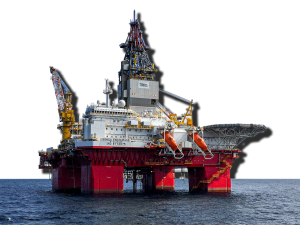
For example, Sunleem EEW has supplied explosion-proof electrical apparatus for the Liwan 3-1 Gas Field Central Platform, described in the project information as the largest deepwater drilling platform in Asia. We use such project experience as a reference for understanding how explosion-proof equipment is coordinated within complex industrial applications.
Project references should still be reviewed for relevance. Experience in offshore gas, chemical processing, pharmaceuticals, or grain handling can involve different environmental conditions. We recommend looking for projects with operating conditions that are reasonably close to the buyer’s own application instead of judging a supplier only by the number of completed projects.
What Questions Show Engineering Capability?
Technical discussion can reveal how well a supplier understands the application. Buyers can ask what site information is required before quotation, how gas or dust conditions affect product selection, and how mounting or cable-entry requirements are reviewed. Clear answers help distinguish technical support from simple product selling.
Customization also needs controlled review. Changes to enclosure configuration, mounting, electrical parameters, or cable interfaces should be evaluated before production. We normally confirm these details through drawings or technical documents so that both sides understand what will be manufactured and which requirements remain unchanged.
When reviewing an explosion proof lighting factory, buyers should also examine how samples and pre-production documents are approved. Early confirmation of drawings, labels, and technical details can reduce misunderstandings before mass production starts. It also gives procurement and engineering teams time to identify specification differences.
How Should Buyers Compare Different Suppliers?
Price is only one part of the decision. Compliance, document quality, production control, engineering response, inspection arrangements, packaging, and delivery planning should be reviewed together. We often suggest using a structured supplier checklist so each candidate is assessed against the same criteria.
Comparing explosion proof lighting manufacturers becomes more practical when the review is based on evidence. Buyers can record certificate relevance, document completeness, traceability methods, testing records, response quality, and project references. This creates a clearer basis for internal discussion between procurement and engineering teams.
At Sunleem EEW, we treat product selection as part of the wider hazardous-area requirement. Our role is to discuss application conditions, technical documents, and project needs so customers can assess whether the proposed equipment fits their own specifications rather than selecting products only from general catalogue information.
A Practical Way to Make the Final Decision
Factory evaluation should combine technical verification with manufacturing review. We recommend checking hazardous-area suitability first, then reviewing certification, documents, production control, testing, engineering communication, and relevant project experience. These factors together provide a more complete picture than price comparison alone.
No single certificate or reference project can answer every question. Stronger supplier evaluation comes from consistent evidence across the full process, from specification review to production and delivery. This method helps industrial buyers judge whether a supplier can support the technical and operational requirements of a hazardous-area lighting project.
Post time: Nov-16-2026


