
Procuring task lighting for classified environments carries stakes far higher than standard industrial electrical sourcing. Maintenance crews routinely drag, drop, and reposition portable luminaires across tight vessel interiors, offshore rigs, and confined inspection vaults. Sourcing errors do not merely cause equipment failure; they invite catastrophic ignition inside volatile gas clouds.
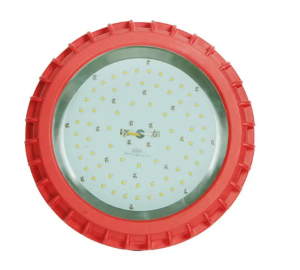
Savvy procurement teams recognize that prioritizing low purchase costs over operating realities creates immediate compliance liabilities. Securing a reliable explosion proof work light demands an uncompromising audit of thermal dissipation, housing integrity, and certified cable connections. Identifying recurring purchasing pitfalls protects field operators while preventing severe regulatory citations during facility safety audits.
Confusing Area Classification with Portable Equipment Duty Cycles
Treating fixed luminaire standards as sufficient for mobile task illumination represents a widespread procurement mistake. Fixed ceiling fixtures remain untouched after installation, whereas portable units endure continuous handling, rough transport, and varying zone classifications. Specifying an enclosure rated strictly for Zone 2 static service creates explosion risks if technicians carry that hardware into an unventilated Zone 1 vessel.
Select portable lighting according to the actual hazardous-area classification and the substances present at the worksite. Verify the equipment’s gas or dust protection marking, group classification, temperature rating, ambient operating range, and certification scope. Dual gas-and-dust certification is necessary only when the intended application requires both types of protection. Verifying ATEX and IECEx certificates directly with notified bodies eliminates the threat of counterfeit products entering critical turnarounds.
Checking the certificate schedules for specific operational caveats prevents dangerous field surprises. Many imported luminaires carry restrictive conditions indicated by an “X” suffix on their certificate number, mandating special grounding or limited duty hours. Purchasing teams that fail to audit these operational constraints risk deploying hardware that violates site safety permits during high-stakes shutdown procedures.
Overlooking Ingress Protection and Corrosive Chemical Exposure
Selecting an enclosure based purely on basic explosion ratings while ignoring environmental ingress leads to rapid internal corrosion. Refinery turnaround crews subject task lighting to heavy water washdowns, hydraulic oil splashes, and corrosive solvent vapors during vessel cleaning. Standard seals degrade quickly under chemical exposure, allowing aggressive fluids to breach the terminal compartment.
Choose an ingress-protection rating that matches the expected exposure to dust, water, and cleaning procedures. Confirm the enclosure materials, gasket compatibility, and corrosion resistance against the actual chemicals, temperature range, and outdoor or offshore conditions. Use the manufacturer’s specifications to verify that the complete luminaire is suitable for the intended environment.
Chemical compatibility testing on transparent covers remains equally vital for long-term optical survival. Industrial cleaning agents and hydrocarbon mists cause substandard polycarbonates to fog, craze, and embrittle over short service intervals. Specifying heavy-gauge borosilicate glass shields prevents optical clouding and ensures the fixture withstands direct chemical exposure without structural degradation.
Underestimating Heat Dissipation and Surface Temperature Classifications
Assuming an explosion proof led generates negligible exterior heat is a dangerous technical misconception among uninformed buyers. While solid-state diodes run cooler than obsolete metal halide lamps, their concentrated driver electronics and emitter boards generate substantial thermal energy inside sealed, explosion-proof chambers. Without adequate external finning, that heat transfers directly to the outer housing.
Ignition temperatures of volatile substances like carbon disulfide or ethyl ether remain remarkably low, making T-rating verification critical. Verify the luminaire’s certified temperature rating against the ignition characteristics of the gas or vapor present and the specified ambient operating range. For combustible-dust applications, check the certified maximum surface temperature as well as the dust-related protection marking. Do not infer thermal performance from LED technology alone; use the selected model’s certification and technical data.
Thermal testing data must reflect elevated ambient operational conditions rather than standard room-temperature bench tests. Confined tanks and processing towers frequently reach ambient temperatures exceeding 50°C during mid-summer turnaround operations. Sourcing fixtures tested only at modest 25°C benchmarks leaves internal components vulnerable to premature driver burnout and catastrophic thermal runaway.
Sacrificing Mechanical Shock Resistance for Maximum Lumen Output
Focusing solely on raw lumen output without evaluating physical impact resistance guarantees frequent product replacements. Portable work lamps frequently fall from scaffolding, bang against structural steel beams, and endure heavy vibrations inside ballast tanks. Units constructed with brittle lenses or thin sheet-metal guards fail catastrophically upon first impact, exposing energized circuitry to ambient volatile gases.
For portable work lights exposed to impact or vibration, check the specified mechanical-impact rating and lens material in the product documentation. Select a level of impact resistance appropriate to the worksite, and confirm that the complete luminaire remains certified for its intended hazardous-area application. Buyers must also evaluate optical comfort alongside physical toughness. Harsh, unshielded LED glare temporarily blinds technicians working in confined chambers, creating severe tripping and dropped-tool hazards that disrupt critical maintenance windows.
Disregarding Cable Stress and Certified Interconnection Hardware
Purchasing rugged luminaires while accepting cheap, unarmored power cords represents a fatal procurement compromise. Field technicians inevitably drag power cables across sharp grating, oily decks, and hot process piping. Standard industrial cords crack, fray, and expose bare conductors, transforming what should be a safe explosion proof work light into an active ignition source.
Rigorous procurement guidelines must mandate heavy-duty, oil-resistant, flame-retardant trailing cables paired with factory-installed compression cable glands. Integrated strain relief mechanisms must withstand substantial pulling force without compromising internal terminal retention. When sourcing from Sunleem EEW, review the selected model’s certification, cable-entry requirements, approved accessories, and installation instructions. Verify any claims about cable pull resistance, switch durability, or mounting-hardware testing against the relevant technical documentation and test reports.
Contractors often compromise safety further by pairing certified task luminaires with non-rated standard industrial extension plugs. Completing an explosion-proof circuit requires certified pin-and-sleeve plugs engineered to extinguish electrical arcs internally during disconnection. We at Sunleem EEW produce complete, certified mobile power distribution arrays that eliminate weak links across the entire temporary lighting circuit.
Strategic Sourcing for Long-Term Hazardous Area Safety
Helping reduce hazardous procurement errors requires shifting from low-bid purchasing to rigorous engineering evaluation. Successful facility managers prioritize verified thermal ratings, cast low-copper housings, robust mechanical impact protection, and seamless raceway accessories. Choosing an advanced explosion proof led system engineered specifically for abusive field duty ensures regulatory compliance, uninterrupted turnarounds, and maximum protection for frontline personnel.
Post time: Nov-25-2026


