
Comparing suppliers for hazardous-area lighting requires more than checking prices or product appearance. Industrial buyers need to know whether a fixture matches the hazardous conditions, installation requirements, and project specifications. Technical documentation and communication also affect the comparison process. When evaluating an explosion proof led, we believe the starting point should be the actual application rather than a general product description.
Different projects can have different gas or dust conditions, installation environments, and technical requirements. We therefore recommend comparing manufacturers through the same practical criteria. This helps procurement and engineering teams identify meaningful differences between suppliers before moving to commercial discussions.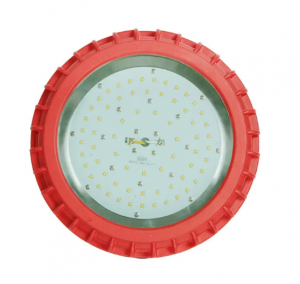
Hazardous Area Requirements Come First
The first comparison point is the intended hazardous area. Industrial projects may involve explosive gas atmospheres, combustible dust, or other demanding conditions. The applicable zone and material classification should be identified before individual lighting products are compared.
We recommend preparing this information before contacting manufacturers. Suppliers can then respond according to defined project conditions rather than working from a general request for hazardous-area lighting.
Environmental factors should also be recorded. Dust, moisture, temperature, corrosion, and installation location may affect product selection. Clear application information gives manufacturers a more practical basis for proposing a suitable fixture.
Technical Information Should Be Easy to Verify
Technical documentation provides another useful comparison point. Buyers should be able to review product specifications, application information, and other relevant technical details without depending only on general sales descriptions.
When comparing explosion proof light fixtures manufacturers, we suggest checking whether important product information is clearly presented. Procurement teams can also compare information from product documents with answers provided during technical communication.
Consistency matters during this process. Conflicting or unclear information can create additional work during engineering review. Well-organized technical data also helps with internal approval, procurement preparation, installation planning, and later equipment reference.
Product Suitability Matters More Than Catalog Size
Large product catalogs can provide more choices, but catalog size alone does not show whether a manufacturer fits a specific project. The proposed fixture still needs to correspond with the actual hazardous area and operating conditions.
We usually focus on application suitability first. Lighting for production areas, processing spaces, equipment zones, and other industrial locations may face different operating conditions. Buyers should therefore compare the proposed products rather than simply count the number of models offered.
At Sunleem EEW, we use project conditions as a reference when discussing hazardous-area lighting requirements. This keeps product selection connected to the intended application and allows technical discussions to focus on relevant specifications instead of general product claims.
Product Classification Provides Useful Evidence
The stated application range of a fixture gives buyers a specific point for comparison. Gas groups, dust groups, and hazardous zones should be checked against the conditions identified for the project.
For example, our BZD130 Series Explosion-proof LED Lighting is suitable for IIA, IIB, and IIC explosion hazardous gas Zone 1 and Zone 2. It is also suitable for combustible dust IIIA, IIIB, and IIIC Zone 21 and Zone 22.
These stated conditions give engineering teams information they can compare with the project classification. Product data should still be considered together with the complete installation requirements. This prevents one specification from being treated as the only basis for selection.
Communication Reveals How Suppliers Handle Projects
Supplier comparison does not stop with product documents. Communication during the evaluation stage can show how clearly a manufacturer understands the information provided by procurement staff, engineers, contractors, and other project participants.
Technical questions should receive answers that refer directly to the fixture and application being discussed. Vague responses can make it difficult for a project team to understand why a particular product has been proposed.
We also suggest providing structured information when requesting an explosion proof led. Hazardous-area classification, environmental conditions, installation details, quantities, and known technical requirements can make discussions more focused and reduce repeated clarification.
The Same Checklist Makes Comparison Clearer
Using one checklist for all suppliers helps prevent the comparison criteria from changing during evaluation. The checklist can cover hazardous-area suitability, technical information, product specifications, communication, and other project requirements.
This method makes supplier differences easier to identify. One company may provide detailed application information immediately, while another may require further technical clarification. Buyers can record these differences instead of relying on general impressions.
When reviewing explosion proof light fixtures manufacturers, we recommend separating technical suitability from commercial comparison during the early stage. Price and order arrangements can then be reviewed after the project team has identified products that correspond with its technical requirements.
Final Decisions Depend on Project Conditions
Comparing manufacturers works better when every supplier is evaluated against the same project information. Hazardous-area classification, environmental conditions, product suitability, documentation, and technical communication provide concrete points that procurement and engineering teams can examine.
At Sunleem EEW, we treat manufacturer comparison as a project-specific process rather than a simple catalog or price comparison. The useful question is whether the proposed fixture matches the stated hazardous area and whether the supplier can explain that match with clear technical information. Keeping the evaluation tied to these points makes the final review more practical for industrial projects.
Post time: Nov-19-2026


