
Hazardous industrial areas contain many electrical connection points for power distribution, control circuits, lighting, and field instruments. These connections need an enclosed space that keeps wiring organized while separating it from surrounding operating conditions. Junction boxes provide this connection point between cables and electrical devices. Their role becomes especially important in areas where flammable gases or combustible dust may create hazardous conditions, while moisture, heat, or corrosion can further affect enclosure performance.
When we plan electrical systems for hazardous locations, an explosion proof junction box is more than a place for terminals. It forms part of the electrical connection system. Enclosure design, internal space, cable entries, environmental protection, and installation position all influence how the connection point functions during operation and maintenance.
Electrical Connections Need a Defined Space
Industrial systems often require cables from several devices to meet at designated connection points. Junction boxes provide an enclosed location where conductors and terminals can be arranged according to the electrical design.
This arrangement helps technicians identify circuits and manage wiring during installation. It also provides a defined access point when connections need to be inspected later. Without suitable internal space, crowded wiring can make connection work and inspection more difficult.
We therefore consider the junction box together with cables, terminals, and connected equipment. Its role is closely related to how the complete electrical circuit is arranged rather than simply enclosing individual wires.
Hazardous Areas Change Connection Requirements
Hazardous locations may involve flammable gases, combustible dust, or other operating conditions that require suitable electrical installations. Engineers need to understand the actual area classification before deciding how electrical connections will be arranged.
Junction boxes form part of this arrangement because cables often pass through them before reaching field equipment. Cable entries, internal terminals, enclosure construction, and connected circuits should therefore correspond with project requirements.
We review these details during project planning. Doing so helps define how many connections need to be housed, where the junction boxes should be installed, and what environmental conditions each enclosure may encounter during operation.
Corrosion Adds Another Environmental Challenge
Hazardous conditions are not the only concern in many industrial sites. High humidity, corrosive substances, and demanding outdoor environments can also affect electrical enclosures over time.
Where corrosion is a project concern, a corrosion resistant junction box needs to correspond with the actual operating environment. Enclosure material becomes an important consideration because environmental exposure differs between chemical facilities, coastal projects, processing plants, and other industrial locations.
Temperature and humidity should be reviewed at the same time. We look at these conditions together because hazardous-area protection and environmental exposure can exist at the same installation point.
Internal Space Supports Organized Connections
Internal layout affects how the junction box performs its connection role. Terminals need enough space for suitable arrangement, while conductors need room for routing inside the enclosure.
Different circuits can also create different terminal requirements. Power distribution, control signals, lighting circuits, and field instruments may not use the same connection arrangement. Engineers should therefore define terminal quantities and wiring needs according to the project.
At Sunleem EEW, we consider these practical connection requirements when working with hazardous-area electrical projects. Enclosure dimensions, terminal arrangements, and operating conditions are reviewed as related parts of the junction box application rather than separate details.
Environmental Protection Supports Daily Operation
Industrial junction boxes can face dust, water, humidity, heat, and corrosive conditions. Environmental protection is therefore closely connected with their daily role. The enclosure needs to remain suitable for the conditions where the electrical connections are installed.
Access also matters during operation. Technicians may need to open an enclosure for inspection, wiring changes, or maintenance. The position of the box and its opening arrangement can affect how practical this work is on site.
For this reason, an explosion proof junction box should be considered from both electrical and environmental perspectives. Hazardous-area requirements define one part of its role, while actual site conditions shape how the enclosure is used throughout its service period.
Product Features Respond to Different Site Needs
Once project conditions are understood, enclosure features can be matched with practical connection requirements. This relationship provides a natural basis for evaluating different junction box configurations without treating every industrial site in the same way.
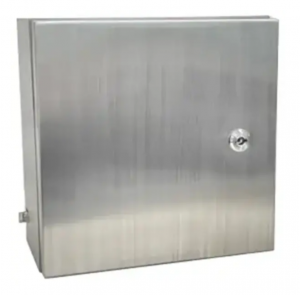
Our EJB-e Series Explosion-proof Junction Box has a high IP rating and offers multiple enclosure materials and dimensions. Various terminals can be installed inside. The series also features high hinge accuracy, and its hinges can be installed in different directions.
The EJB-e Series is applicable to harsh environments such as high temperature, high humidity, and high corrosion. These characteristics provide configuration options for projects where a corrosion resistant junction box needs to work under demanding environmental conditions.
Junction Boxes Also Support Maintenance Work
The role of a junction box continues after installation. Technicians use these connection points when circuits need inspection, troubleshooting, modification, or maintenance. Clear internal wiring arrangements can make it easier to understand how cables and terminals relate to connected equipment.
Project records also support this work. Cable routes, terminal identification, enclosure locations, and connected circuits can be documented so maintenance teams have useful reference information during later service.
Changes to a circuit should include a review of the existing junction box arrangement. Additional cables or terminals can alter internal space and connection requirements, so the enclosure needs to remain suitable for the revised wiring configuration.
Why the Junction Box Matters in Hazardous Operations
Junction boxes perform several practical roles at the same time. They provide defined connection points, organize terminals and conductors, separate electrical connections from surrounding conditions, and give technicians access for inspection and maintenance. Hazardous classification and environmental exposure add further requirements to these functions.
At Sunleem EEW, we approach the junction box as a working part of the electrical network rather than an isolated enclosure. Its value in hazardous-area operations comes from how well its configuration corresponds with the circuits, site environment, and maintenance needs throughout the industrial application.
Post time: Nov-20-2026


