
Oil and gas facilities operate in environments where flammable gases, vapors, and combustible materials may be present during production, processing, storage, and transportation. Electrical equipment used in these areas must match the actual hazardous conditions. For project owners, EPC contractors, and industrial buyers, correct equipment selection is part of daily risk control and long-term site management.
This is why explosion proof products are widely used across refineries, tank farms, gas processing plants, offshore facilities, and related projects. Their role is not limited to protecting one device. They also support safer electrical planning, clearer maintenance procedures, and better coordination between equipment and site requirements.
Why Hazardous Areas Need Special Electrical Equipment
Oil and gas operations may release flammable substances during normal processes or unexpected leaks. Pumps, valves, pipelines, separators, storage tanks, and loading areas can all be located in classified zones.
Electrical equipment can become an ignition source when sparks, hot surfaces, or internal faults are not properly controlled. Suitable designs may use flameproof enclosures, increased safety structures, sealed components, or other protection methods depending on the installation.
Zone classification is also important. Zone 1 and Zone 2 describe different levels of gas-related hazardous exposure, while Zone 21 and Zone 22 are used for combustible dust areas. Project teams need to match equipment to the classified zone instead of relying only on general industrial specifications.
For lighting projects, this is one reason buyers often compare experienced explosion proof lighting manufacturers before deciding on fixtures for process units, access routes, platforms, and maintenance areas.
Lighting Affects Daily Inspection and Maintenance
Lighting in an oil and gas facility supports more than visibility. Operators need to read gauges, identify valves, inspect equipment, and move safely around platforms, stairs, and service corridors.
Lighting equipment may also face dust, moisture, vibration, temperature changes, corrosion, and outdoor exposure. The selected fixture needs to fit both the hazardous-area classification and the physical environment. Beam distribution and mounting position also matter because uneven lighting can make inspection points harder to see.
Maintenance access should be considered during planning. Mounting height, cable routing, replacement space, emergency lighting needs, and service intervals can influence later work. We therefore recommend reviewing lighting layout together with installation conditions rather than treating each fixture as an isolated item.
Product Selection Starts With Site Data
Project teams should collect key technical information before purchasing electrical equipment. This normally includes the hazardous zone, gas or dust group, temperature classification, ambient conditions, IP rating, electrical parameters, and installation method.
Certification also requires careful review. ATEX and IECEx are commonly used in international hazardous-area projects, but requirements vary by market, operator, and engineering standard. Buyers should confirm that the certificate applies to the exact model being selected.
Cable entries, glands, junction boxes, lighting fixtures, control devices, and related accessories also need compatible specifications. One mismatched component can create installation problems even when the main device is correctly chosen. Reviewing drawings before procurement can also reduce changes during site installation.
At Sunleem EEW, we develop explosion-protected electrical equipment for industrial hazardous areas. Our product range includes lighting, electrical equipment, and installation equipment, allowing project teams to evaluate related components according to project requirements.
System Planning Matters in Complex Projects
Large industrial sites rarely use one installation condition throughout the whole facility. Different zones can require different protection methods, mounting positions, cable routes, and maintenance arrangements. Outdoor process areas, enclosed rooms, loading sections, and utility spaces may therefore need separate equipment decisions.
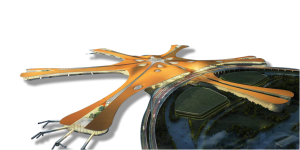
Our project experience includes a lighting system solution for Beijing Daxing International Airport. The application is different from an oil and gas facility, but the planning principle is similar. Lighting needs to be considered as a system that combines equipment selection, installation layout, operating conditions, and maintenance access.
For oil and gas buyers, this also explains why evaluating explosion proof lighting manufacturers should go beyond comparing one fixture. Technical documentation, certification details, product compatibility, and project support can all affect how smoothly the final system is installed and maintained.
Maintenance Continues After Installation
Hazardous-area equipment remains part of the site safety system throughout its service life. Inspection teams need clear records for product models, certificates, installation locations, and maintenance history.
Routine checks may cover enclosure condition, fasteners, cable entries, seals, corrosion, visible damage, and unauthorized modifications. Maintenance work should follow product documentation and site procedures. Inspection frequency should also reflect operating conditions and the facility’s maintenance plan.
Replacement parts need the same attention. Components with different certification, dimensions, or protection characteristics may not suit the original installation. Procurement and maintenance teams should therefore use controlled replacement procedures and keep technical records updated.
Why Explosion Protection Remains Essential
Explosion protection in the oil and gas industry depends on more than one product feature. Correct area classification, suitable equipment, proper installation, documented maintenance, and regular technical review all work together.
We see hazardous-area electrical equipment as part of a complete engineering process rather than isolated hardware. Sunleem EEW supports this approach through product categories designed for hazardous-area applications and through experience gained from complex electrical and lighting projects.
For B2B project teams, the practical priorities are clear: match equipment to the classified area, verify certificates, plan installation carefully, and maintain accurate records. These steps help keep equipment selection, installation, and later maintenance aligned with hazardous-area requirements.
Post time: Nov-16-2026


