
Cable type is one of the first details to check when choosing a cable gland for a hazardous-area electrical installation. Armored and unarmored cables have different structures. Their outside diameters, sheath materials, and installation conditions can also vary. These differences influence how a cable should be connected to electrical equipment.
When selecting explosion proof electrical fittings, we start with accurate cable information rather than choosing a gland only by its thread size. Cable construction, armor type, outside diameter, and operating conditions help us narrow the suitable gland options before checking the equipment entry and hazardous-area requirements.
Cable Construction Is the Starting Point
The first question we ask is whether the cable is armored or unarmored. Armored cables contain an additional protective structure, while unarmored cables rely mainly on their insulation and outer sheath. This structural difference affects how the gland connects with and retains the cable.
For armored cables, we need to identify the armor construction and relevant dimensions. Selecting a gland according to conductor size alone is not enough. Two cables with similar electrical ratings may have different armor structures, sheath thicknesses, or overall dimensions.
Unarmored cables require attention to the outer sheath and cable retention. We check the cable manufacturer’s technical information instead of estimating gland size from the cable description. This gives us a more reliable starting point for matching the cable with its entry component.
Diameter Determines the Suitable Gland Range
Cable glands are designed for defined cable diameter ranges. The actual outside diameter should therefore fall within the range specified for the selected gland. Nominal conductor size does not provide enough information for this step.
We also consider dimensional differences between cables. Similar conductor arrangements do not always mean identical outside diameters. Insulation and sheath construction can change the final cable dimensions, so actual cable data should be reviewed before procurement.
For projects involving several cable sizes, we recommend preparing a cable schedule. It can record cable type, outside diameter, connected device, and gland requirement for each entry. This makes different cable connections easier to identify during engineering and purchasing.
Sheath Material Changes the Selection Conditions
The cable sheath forms part of the gland connection, so its characteristics also need attention. Depending on the project, cables may be exposed to temperature changes, moisture, oils, chemicals, dust, or outdoor conditions. These factors should be reviewed together with cable dimensions.
Cable routing matters as well. Tight bends, pulling forces, and limited clearance around equipment can affect the entry area. We therefore review the intended cable route before confirming the gland specification, especially where equipment is installed in restricted spaces.
At Sunleem EEW, we consider these practical conditions when discussing hazardous-area cable entries. The cable structure, dimensions, surrounding environment, and connected equipment provide the technical context for gland selection. This avoids treating cable size as the only deciding factor.
Equipment Entry Threads Require Verification
Once the cable type and dimensions are clear, the equipment entry needs to be checked. Motors, junction boxes, lighting units, and control devices may have different entry sizes or thread specifications.
We check equipment documentation before the gland is ordered. The gland thread and equipment entry need to correspond with the planned connection arrangement. Where they differ, the project team should review the appropriate connection method according to its installation requirements.
This process is particularly useful when several types of explosion proof equipment are included in one project. Recording both cable information and equipment entry details helps procurement teams distinguish the gland requirements for different connection points.
Hazardous Areas Add Another Selection Layer
Cable construction cannot be considered separately from the hazardous area where the connection will operate. Engineers need to identify the hazardous material and zone classification before completing the cable-entry specification.
The same information is relevant when reviewing explosion proof electrical fittings and connected electrical devices. Cable glands form only one part of the installation, so their application needs to correspond with the conditions of the equipment and its operating area.
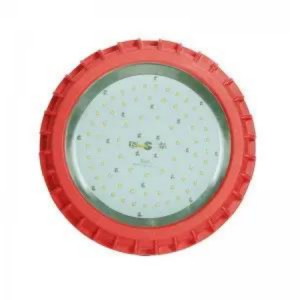
For example, our BZD130 Series Explosion-proof LED Lighting is suitable for IIA, IIB, and IIC explosion hazardous gas Zone 1 and Zone 2. It is also suitable for combustible dust IIIA, IIIB, and IIIC Zone 21 and Zone 22.
When this type of explosion proof equipment is included in a project, we still return to the cable data before determining the entry arrangement. Cable construction, dimensions, equipment entry, and hazardous-area conditions need to be considered together rather than checked as separate items.
Procurement Depends on Complete Cable Data
Before ordering glands, we recommend preparing a record for each connection point. Useful information includes cable construction, armor type where applicable, actual outside diameter, sheath information, equipment thread, hazardous-area classification, and surrounding conditions.
Clear records also make technical communication easier. Engineering and procurement teams can work from the same cable information instead of using general descriptions such as “armored cable” without dimensions or construction details.
The same documentation can later assist maintenance work. If a cable or connected device is changed, technicians can review the original entry information and then determine whether the existing gland still corresponds with the new cable.
Start With the Cable, Then Check the Connection
The answer to choosing an explosion proof cable gland by cable type follows a practical sequence. First, identify whether the cable is armored or unarmored. Next, confirm its actual diameter and sheath characteristics. Then check the equipment entry, installation environment, and hazardous-area conditions.
For Sunleem EEW, this sequence keeps the selection process focused on real project data. No single cable description can determine the complete gland specification by itself. The final choice should reflect both the physical cable structure and the conditions at its connection point.
Post time: Nov-16-2026


