
Industrial lighting projects require more than choosing fixtures according to brightness or power. Hazardous-area classification, environmental conditions, installation position, cable routing, and maintenance access can all influence purchasing decisions. These factors become especially important in chemical plants, processing facilities, warehouses, and other industrial locations where hazardous substances may be present.
For engineering contractors and procurement teams, choosing an explosion proof light fixture requires a structured review of both site conditions and equipment specifications. We normally begin with the hazardous area and required lighting performance, then review enclosure construction, electrical connections, mounting arrangements, and maintenance needs.
Hazardous Area Classification Comes First
Hazardous-area information provides the starting point for fixture selection. Different locations may contain flammable gases, vapors, or combustible dust. Project documentation should clearly identify the conditions that apply to each installation area.
We recommend confirming the applicable zone, gas or dust group, and relevant temperature requirements before comparing lighting products. Equipment documentation should correspond with the intended operating location rather than being selected only according to fixture appearance or rated power.
Regional standards and project specifications also require attention. We suggest reviewing applicable certification documents during the procurement stage. This allows technical teams to compare fixture information against project requirements before equipment reaches the installation site.
Lighting Performance Should Match the Task
Different industrial areas have different lighting needs. Production lines, inspection stations, walkways, maintenance platforms, and storage areas may require different illumination arrangements because workers perform different tasks in each location.
When evaluating an explosion proof light fixture, we consider luminous output, beam distribution, mounting height, and fixture spacing. These factors influence how light reaches working surfaces and whether equipment creates unwanted shadow areas.
Fixture quantity should not be decided only from individual product ratings. We recommend reviewing the lighting layout together with machinery positions, structural columns, pipelines, and working areas. Physical obstructions can change the actual distribution of light.
Color temperature and color rendering may also matter where workers read labels, inspect components, or identify operating conditions. Lighting specifications should therefore reflect actual visual tasks at the site.
Enclosure Selection Depends on the Environment
Industrial fixtures can face dust, moisture, temperature changes, chemicals, vibration, and corrosive conditions. The enclosure should be selected according to the environment where the fixture will operate.
We review ingress protection requirements together with material suitability. Outdoor installations may face rain and humidity, while processing areas may involve chemicals or frequent cleaning. Coastal or chemical environments can also create additional corrosion concerns.
Mechanical conditions deserve attention as well. Fixtures installed near machinery may experience vibration, while units positioned around maintenance routes can face accidental contact. Mounting arrangements should therefore be considered together with enclosure construction.
Electrical Connections Need Early Planning
Lighting fixtures are connected to a wider electrical system. Cable entries, wiring routes, junction boxes, protective devices, and connection methods should be planned before installation begins.
When reviewing explosion proof electrical fittings, we pay attention to cable dimensions, entry threads, sealing arrangements, and installation conditions. Compatibility between these components reduces unnecessary adjustments during site installation.
We also suggest checking wiring drawings against actual fixture positions. Long cable routes, multiple branch circuits, or restricted installation spaces can affect where electrical connection points should be arranged.
Clear circuit documentation is useful for later maintenance. Recorded cable routes and connection locations help technicians identify circuits when inspecting or replacing equipment.
Junction Boxes Form Part of the Lighting Layout
Junction boxes can be required where lighting circuits branch or where cables need organized connection points. Their configuration should correspond with the electrical design, cable arrangement, and surrounding operating environment.
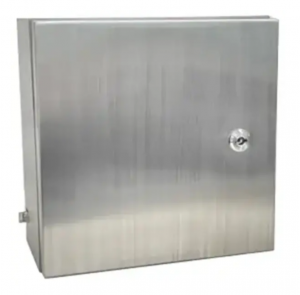
For projects requiring this type of connection component, Sunleem EEW provides the EJB-e Series Explosion-proof Junction Box. It has a high IP rating and is available with multiple enclosure materials and enclosure dimensions. Different terminal types can also be installed inside.
The series features high hinge accuracy, and hinges can be installed in different directions. It is applicable to harsh environments involving high temperature, high humidity, and high corrosion.
These characteristics can be considered when engineers plan explosion proof electrical fittings for lighting circuits. The selected junction box configuration should still be checked against project requirements, connection quantities, installation conditions, and applicable technical documentation.
Installation Details Affect Purchasing Decisions
Mounting method and available installation space should be checked before ordering fixtures. We recommend comparing equipment dimensions with drawings and actual site conditions instead of leaving these details until installation.
Maintenance access is another practical consideration. Fixtures may require inspection, cleaning, wiring checks, or replacement during their service period. Locations that are difficult to reach can increase the work required for these activities.
Procurement teams can also prepare an equipment schedule before placing an order. Useful information includes fixture location, hazardous-area requirements, electrical ratings, mounting arrangement, cable entry information, quantity, and related connection components.
Such records make technical communication clearer between engineering, procurement, installation, and maintenance teams. They also provide a reference when equipment configurations differ between separate areas of the same industrial facility.
A Practical Approach to Fixture Procurement
Industrial lighting procurement works better when technical teams evaluate the complete installation rather than focusing on one specification. Hazardous classification, illumination requirements, enclosure construction, cable connections, mounting conditions, and maintenance access should all be checked before the purchasing list is finalized.
Our work at Sunleem EEW considers lighting equipment together with the electrical connections required around it. For project buyers, a clear specification process makes comparison more practical and keeps purchasing decisions tied to actual site conditions. The final choice should reflect where the fixture will operate, how it will be installed, and what the project requires from the complete lighting system.
Post time: Nov-16-2026


