
Hazardous-area electrical installations involve more than selecting products with suitable specifications. Installation methods, cable entries, operating conditions, connections, inspection, and maintenance can all influence how equipment performs in service. Problems often occur when one of these factors is overlooked during project planning or daily operation.
Correct use of explosion proof electrical equipment starts with understanding the actual hazardous environment. We need to consider area classification and installation requirements before equipment is put into service. Clear technical records also help engineering and maintenance teams manage later inspections or changes.
Incorrect Area Classification Creates Problems
One common mistake is selecting equipment before the hazardous area has been properly identified. Gas and combustible dust environments have different classifications. Requirements can also vary between different areas of the same industrial facility.
We recommend confirming the hazardous substance and zone before finalizing equipment specifications. Engineers can then compare this information with the intended application and technical information of the selected product.
Production conditions should also be reviewed when a facility changes its process or layout. New materials, equipment locations, or operating methods may affect the original project conditions. Electrical planning needs to reflect the environment where the equipment will actually operate.
Cable Entries Need Careful Attention
Cable entries are sometimes treated as minor installation details. In practice, cable structure, gland size, equipment entry, and surrounding conditions need to work together. Problems can develop when these factors are considered separately.
We usually check whether the cable is armored or unarmored, its outside diameter, sheath material, and entry thread. Choosing a gland only according to nominal cable size can overlook important differences between cables.
At Sunleem EEW, we include cable-entry requirements when discussing hazardous-area electrical projects. Recording cable information before procurement gives engineering teams a clearer basis for matching cables, glands, and equipment entries during installation.
Connections Should Match Operating Conditions
Electrical connection points can also create problems when their actual operating conditions are overlooked. Plugs, sockets, terminals, and related components should correspond with the electrical system and the requirements of the installation area.
For example, explosion proof receptacles should not be treated in the same way as ordinary industrial sockets. Project teams need to review their specifications, connection methods, and intended operating conditions before installation.
Repeated connecting and disconnecting can also affect component condition over time. Inspection teams should pay attention to visible damage, contamination, loose parts, or other changes identified during routine checks.
Unauthorized Modifications Can Create New Issues
Field modifications require careful technical review. Drilling additional entries, changing enclosure components, or using unsuitable replacement parts can alter the original equipment arrangement.
When an installation needs additional cable entries or connections, we recommend reviewing the equipment documentation first. Changes should follow the applicable technical and project requirements rather than being based only on available installation space.
Replacement parts also need proper identification. Similar dimensions or appearance do not mean that two components have the same technical characteristics. Maintenance teams should check the required specification before replacing a component.
Environmental Conditions Are Easy to Miss
Hazardous-area classification is only one part of the operating environment. Temperature, moisture, dust, vibration, corrosion, and outdoor exposure may also affect equipment selection and maintenance planning.
For this reason, we review site conditions when discussing explosion proof electrical equipment for industrial applications. Equipment installed outdoors may face different environmental exposure from equipment inside a processing area, even when both locations have similar hazardous classifications.
Maintenance planning should reflect these differences. Heavy dust, moisture, or contamination around electrical components can also make inspection more difficult, so site conditions should be considered when planning routine checks.
Cable Gland Selection Is Often Oversimplified
One common mistake is choosing a cable gland only by thread size or general cable diameter. Gland selection also needs to consider cable construction, actual outside diameter, equipment entry, and hazardous-area requirements.
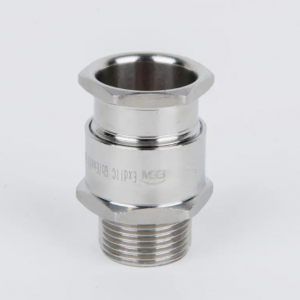
For projects with relevant application requirements, our BDM Series Explosion-proof Cable Gland is suitable for IIA, IIB, and IIC explosion hazardous gas Zone 1 and Zone 2. It is also suitable for combustible dust IIIA, IIIB, and IIIC Zone 21 and Zone 22.
This application information is only part of the selection process. Engineers still need to confirm cable dimensions, thread compatibility, and installation conditions. Reviewing these details before procurement helps keep the gland selection connected to the actual cable and equipment arrangement.
Inspection Should Continue After Installation
Another mistake is assuming that correct installation removes the need for later checks. Operating conditions, maintenance work, and repeated use can change the condition of electrical components over time.
We recommend keeping records of equipment identification, cable entries, connection condition, visible enclosure condition, and maintenance activities. These records make it easier to compare equipment condition during later inspections.
The same approach applies to explosion proof receptacles. Connection components that are operated regularly should be checked according to applicable inspection and maintenance requirements rather than being ignored after commissioning.
Consistent Practices Reduce Common Mistakes
Many problems in hazardous-area electrical installations are linked to disconnected decisions. Correct area classification cannot compensate for an unsuitable cable entry, while suitable equipment still requires proper installation, operation, inspection, and maintenance.
Avoiding these common mistakes requires consistent attention from initial specification through later maintenance. Sunleem EEW considers equipment selection as one part of this wider process. When engineering, procurement, installation, and maintenance teams work from clear technical information, they can manage hazardous-area electrical systems with a more structured and practical approach.
Post time: Nov-16-2026


