
Conduit runs across classified plant zones endure continuous thermal cycling, heavy mechanical vibration, and corrosive airborne contaminants. Neglecting these static mechanical junctions jeopardizes overall facility safety just as quickly as a fractured enclosure or broken luminaire lens.
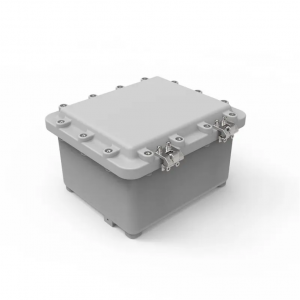
Field technicians often prioritize luminaires while overlooking the structural joints that bridge them. Inspecting explosion proof conduit fittings demands rigorous attention because a single stripped thread, missing gasket, or compromised seal voids the explosion-protection scheme across the entire conduit run.
De-Energization and Visual Pre-Service Assessment
Safe maintenance begins with complete circuit de-energization before opening any housing in an environment containing volatile gases or combustible dusts. Before maintenance, isolate the relevant electrical circuits, apply the site’s lockout/tagout procedures, and obtain any required work permits. Test the atmosphere using approved procedures where applicable, and verify that all conditions for safe work are met before opening or dismantling equipment. Follow the manufacturer’s instructions for maintaining certified explosion protection.
External inspections must verify that every drain plug, breather, and sealing hub remains tightly seated against its companion housing. Harsh vibration generated by rotating explosion proof electrical equipment can gradually loosen terminal fittings, compromising the ingress protection rating and introducing moisture.
Physical damage such as hairline casing cracks, deep impact gouges, or distorted hubs requires immediate component retirement. Never attempt to weld, braze, or mechanically patch cracked conduit bodies, as unauthorized structural alterations permanently destroy certified explosion-containment boundaries.
Flamepath Thread Cleaning and Tolerance Verification
Unthreading unions and junction covers reveals critical flamepaths engineered to cool escaping combustion gases below ignition thresholds. Technicians must clean both male and female threads thoroughly, removing accumulated dirt, oxidized grease, and metal filings that impede precise mechanical closure.
Cleaning flamepaths requires non-metallic or soft brass wire brushes rather than aggressive carbon-steel scraping tools. Harsh abrasive tools can scratch machined helical surfaces, creating enlarged flamepath clearances that permit burning gas fronts to ignite external classified atmospheres.
Our engineering specialists at Sunleem EEW advise applying an ultra-thin layer of non-hardening, non-conductive anti-seize lubricant along male threads. This protective barrier prevents environmental galling while ensuring flamepath quench gaps remain well within certified mechanical tolerance limits.
Compound Barrier and Sealing Chamber Diagnostics
Inspection routines must thoroughly evaluate boundary sealing fittings installed along conduit lines entering unclassified control rooms. Certified pour-in compound dams prevent pressurized explosive vapors and direct combustion fronts from traveling through conduit interiors into non-rated control panels.
Moisture accumulation inside vertical conduit drops indicates failing drainage plugs or improper seal filling during initial assembly. Maintenance technicians should inspect drain fittings for mineral encrustation and clear weeping channels to prevent corrosive water pooling around conductor insulation.
Damaged or shrunken sealing compounds cannot withstand high deflagration pressures during an internal fault. Any visible voids, compound separation from fitting walls, or crumbling potting resin requires completely clearing the conduit hub and repouring fresh certified barrier compound.
Torque Specifications and Union Reassembly Protocols
Rebuilding conduit networks requires disciplined mechanical reassembly of all couplings, reducers, and junction covers. Securing explosion proof conduit fittings demands progressive alignment rather than forcing misaligned threads together with heavy industrial pipe wrenches.
Overtightening threaded components can distort cast bodies and strip critical root threads beyond field repair. Maintenance personnel must follow manufacturer torque parameters, ensuring joints seat firmly against internal mechanical shoulders without inducing destructive structural stress fractures.
Do not apply PTFE tape or other thread-sealing products to certified explosion-protection joints unless the equipment manufacturer explicitly permits their use. For other threaded connections, follow the specified sealing method and installation instructions. Ensure that the assembly maintains the required mechanical integrity and electrical bonding continuity.
Verify thread engagement against the applicable code, equipment certification, and manufacturer’s instructions. Certain NPT entries into explosionproof equipment require at least five fully engaged threads under the NEC, subject to specified exceptions. Do not apply this requirement indiscriminately to every coupling or union; inspect each connection for correct thread compatibility, damage, and proper assembly.
Corrosion Mitigation on Machined Envelopes
Hostile chemical vapours and coastal salt air attack fitting surfaces, causing galvanic corrosion across dissimilar metal interfaces. Regular servicing must verify that electroplated zinc finishes, cadmium barriers, or marine-grade epoxy topcoats remain completely intact across all exposed surfaces.
Preserving protective coatings prevents localized pitting that could eventually erode structural wall thickness below mandatory pressure thresholds. Whenever technicians observe localized surface oxidation, they must neutralize corrosion immediately and apply compatible protective coatings approved for hazardous areas.
Technicians servicing aging hardware should inspect ground continuity across all metal conduit connections using calibrated micro-ohmmeters. Corrosion between threaded joints increases bonding resistance, creating dangerous stray voltage paths that threaten plant safety during transient electrical fault conditions.
Compliance Verification and Preventative Logging
Thorough maintenance yields little long-term value without detailed asset documentation and inspection histories. Safety audits for certified explosion proof electrical equipment require clear maintenance records detailing thread wear assessments, seal pouring dates, and specific torque verification figures.
Standardized inspection checklists should log thread condition, ambient environmental exposure levels, and replacement dates for every serviced unit. Accurate records highlight premature wear trends across aggressive processing zones, allowing proactive replacement before dangerous mechanical failure occurs.
Establishing Traceable Inspection Records and Preventative Maintenance
Structured field protocols from Sunleem EEW encourage logging each fitting location against facility piping and instrumentation diagrams. Traceable maintenance histories prove regulatory compliance and pinpoint premature hardware fatigue before hazardous breaches occur.
Maintaining structural and mechanical integrity across conduit pathways safeguards the entire industrial facility against catastrophic ignitions. Disciplined cleaning, proper lubrication, and accurate thread engagement transform routine servicing into a robust, life-saving operational barrier.
Strengthening Operational Safety Through Routine Inspections
Plant teams that embed structured inspection cadences into daily operations protect capital infrastructure while ensuring uninterrupted processing. Rigorous fitting care guarantees that hazardous containment barriers perform flawlessly when unexpected volatile events strike.
Routine vigilance preserves hazardous containment integrity year after year across demanding industrial sites. Treating every conduit coupling as an active safety device establishes a reliable foundation for dependable, hazard-free industrial performance across classified processing facilities.
Post time: Nov-25-2026


