
Cable glands used in potentially explosive atmospheres need to meet more requirements than basic cable entry components. Cable structure, hazardous-area classification, certification, thread size, and environmental conditions all affect selection. For industrial projects, checking these factors early can reduce specification conflicts between the cable, gland, and connected equipment.
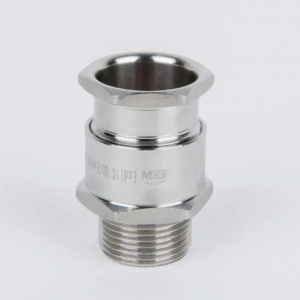
When selecting an explosion proof cable gland for a European hazardous-area project, we start with the required certification and actual installation conditions. From there, we can compare cable data, equipment entries, and gland specifications in a more structured way. This gives engineering and procurement teams clear information before they prepare the final purchasing list.
Why ATEX Certification Matters
ATEX requirements cover equipment intended for use in potentially explosive atmospheres within the applicable European regulatory framework. For industrial buyers, seeing an ATEX reference in a product description is only the starting point. The marking and supporting documentation should correspond with the intended application.
When reviewing atex cable glands, we check the available certification information instead of relying only on a general product description. Equipment group, category, explosive atmosphere, and other applicable marking details provide important information for evaluating whether a gland matches the planned location.
Documentation also matters during supplier evaluation. We recommend reviewing relevant certificates and technical documents before confirming a product. This allows engineering teams to compare the proposed gland with project requirements while there is still time to resolve specification questions.
Hazardous Areas Must Be Identified First
Hazardous-area information should be confirmed before a cable gland is selected. Gas and combustible dust environments use different classifications, so we first identify the type of explosive atmosphere and the zone involved in the installation.
This step prevents the selection process from becoming too general. A gland considered for one classified location should not automatically be treated as suitable for another location with different hazardous conditions.
We usually include area classification in the cable gland schedule. Procurement teams can then use the same information when requesting quotations, while engineering teams have a clearer reference for checking the proposed products.
Cable Construction Changes the Selection
Certification alone does not determine which gland should be used. Cable construction is another important part of the selection process. We need to identify whether the cable is armored or unarmored before considering the corresponding gland structure.
Armored cables require attention to the armor type and relevant dimensions. For unarmored cables, the outer sheath and cable retention requirements become important. Nominal conductor size alone does not provide enough information for either situation.
At Sunleem EEW, we review cable construction together with hazardous-area conditions when discussing cable-entry requirements. This keeps the selection process connected to the actual installation instead of treating certification as the only deciding factor.
Cable Diameter and Thread Need Separate Checks
Cable outside diameter should be compared with the specified clamping or sealing range of the gland. Cables with similar conductor specifications can still have different external dimensions, particularly when their construction or sheath design differs.
The equipment entry requires a separate check. We confirm the thread type and size from equipment information rather than assuming that similar devices use identical entries. This detail is useful when several equipment types are included in one project.
For each explosion proof cable gland, diameter and thread information answer two different questions. Cable diameter helps determine whether the gland suits the cable, while thread data helps determine whether the gland corresponds with the intended equipment entry.
Environmental Conditions Need Attention
Temperature, moisture, dust, chemicals, corrosion, and outdoor exposure may influence cable-entry requirements. We therefore consider the operating environment alongside hazardous-area classification when preparing specifications.
Cable sheath material also needs attention. Different materials can respond differently to compression and environmental exposure. Reviewing the cable and gland together provides more useful information than evaluating each component separately.
Temperature conditions should be checked against the relevant technical documentation as well. We avoid assuming that glands with similar dimensions or external designs have the same operating conditions.
Product Selection Should Follow the Application
Once the certification, zone, cable construction, diameter, thread, and environment have been reviewed, the suitable product range becomes easier to define. This order keeps selection based on application data rather than on appearance or general product category.
Our BDM Series Explosion-proof Cable Gland is designed for hazardous-area cable-entry applications. It is suitable for IIA, IIB, and IIC explosion hazardous gas Zone 1 and Zone 2. It is also suitable for combustible dust IIIA, IIIB, and IIIC Zone 21 and Zone 22.
For atex cable glands, zone information remains one part of the selection process. We still need to compare certification requirements, cable dimensions, equipment entry details, and other project conditions before the gland specification is finalized.
Documentation Supports Project Coordination
Industrial projects often involve engineering teams, procurement departments, contractors, and site personnel. Clear records allow these groups to work from the same cable-entry information throughout specification, purchasing, and installation.
We recommend recording cable type, outside diameter, armor information, hazardous-area classification, equipment entry, and required certification in the project schedule. This also makes quotation comparison more practical because suppliers receive clearer technical requirements.
Relevant documentation should remain available after installation. Maintenance teams may need these records later when inspecting equipment, replacing cables, or reviewing changes to an existing electrical system.
Selection Starts With Project Data
ATEX cable gland selection works more clearly when certification requirements and physical installation details are reviewed together. Hazardous-area classification defines the application context, while cable construction, outside diameter, equipment thread, environmental exposure, and documentation help narrow the suitable gland specification.
Technical discussions at Sunleem EEW therefore begin with project data rather than a general product recommendation. When cable information and hazardous-area requirements are clearly defined, we can evaluate the connection point step by step and prepare a more consistent gland specification for engineering, procurement, and later installation.
Post time: Nov-20-2026


