
In oil and gas plants, chemical facilities with hazardous processes, offshore platforms, and other hazardous locations, electrical fittings must maintain their required protection under demanding environmental conditions. Temperature adds another challenge, as installations may be exposed to heat from process equipment or very low outdoor temperatures.
For this reason, selecting explosion-proof electrical fittings involves more than checking the enclosure type or hazardous-area classification. Engineers also need to consider ambient temperature, materials, sealing, ingress protection, cable requirements, and certification.
Why Does Temperature Matter When Choosing Explosion-Proof Equipment?
Temperature can affect materials, seals, connections, and the certified operating conditions of explosion-proof equipment. The ambient temperature range therefore needs to be evaluated together with the equipment’s protection method, temperature classification, and hazardous-area requirements.
Effects of High Temperature on Electrical Fittings
High temperatures can place additional demands on sealing materials, cable entries, enclosures, and electrical connections. In hazardous locations, the equipment’s temperature classification must also remain appropriate for the flammable substance present.
Risks Associated With Low Temperature
Low temperatures can affect materials and sealing components and may increase mechanical stress during temperature changes. For cold outdoor, marine, or offshore installations, engineers should verify that the product’s published ambient-temperature range covers the actual minimum and maximum temperatures at the installation point.
An explosion-proof designation alone does not mean that a product is suitable for every low-temperature environment.
Considering the Complete Installation Environment
Temperature should also be considered alongside humidity, corrosion, dust, and outdoor exposure. The product’s certified environmental characteristics need to match the actual installation conditions.
What Should You Check Before Selecting Fittings for Extreme Temperatures?
The selection process should begin with the installation environment and then move to the product’s technical specifications.
A reliable specification should evaluate several requirements together instead of selecting fittings based on temperature alone.
Start With Hazardous-Area Classification
Identify the hazardous material and applicable zone or classification first. For IECEx-certified equipment, review the product’s Ex marking and certified area of application.
Distinguish Ambient Temperature From Temperature Classification
Engineers should also distinguish between the ambient temperature range and temperature classification. The former defines the environmental conditions under which the equipment is certified, while the latter indicates the equipment’s maximum surface temperature in the applicable hazardous atmosphere.
Evaluate Materials and Sealing
Materials and sealing components should match the temperature, moisture, corrosion, cable construction, and installation conditions. Cable glands and enclosure connections are particularly important because they form part of the overall protection system.
Verify Cable and Installation Requirements
Cable diameter, armor type, thread specification, sealing components, enclosure entry, IP rating, and installation method should be checked together.
For junction boxes, cable glands and blanking elements must also meet the applicable certification requirements.
Consider IP Protection and Ex Requirements
Ingress protection should be evaluated together with explosion protection, especially in environments where equipment may be exposed to dust, moisture, or other external conditions. Engineers should verify the required IP rating, Ex protection level, and applicable certification requirements based on the installation environment and equipment type.
Confirm Certification Before Ordering
Finally, verify the product model, Ex marking, certification, applicable standards, and any special conditions of use using current manufacturer documentation.
Which Explosion-Proof Electrical Fittings Suit Harsh Temperature Conditions?
Different fittings serve different installation functions. Cable glands protect cable entries, junction boxes protect electrical connections, and flexible conduits provide flexibility for wiring routes and equipment connections.
BDM-II Series for Cable Entry Protection
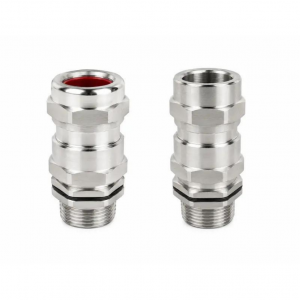
The BDM-II Series Explosion-proof Armored Single Seal Cable Gland is designed for cable-entry applications in demanding industrial environments.
Key product points:
l Ambient temperature: -50°C to +80°C
l Ingress protection: IP66
l Design: Armored single-seal cable gland
l Thread options: Metric, NPT, and G
l Materials: SS304, SS316, SS316L, nickel-plated brass, and galvanized carbon steel
Final selection should also consider the cable outer diameter, armor construction, thread specification, enclosure entry requirements, and applicable certification.
EJB-e Series for Protected Electrical Connections
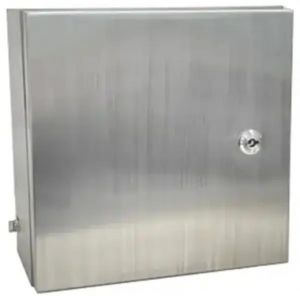
The EJB-e Series Explosion-proof Junction Box is designed for specified hazardous-area applications.
Key product points:
l Ambient temperature: -25°C to +55°C for IECEx; EAC: -55°C to +55°C.
l Ingress protection: IP66/IP68
l Applications: Suitable for harsh environments such as high-temperature, high-humidity, and high-corrosion conditions.
l Enclosure materials: SS304, SS316, SS316L, or carbon steel
The applicable certification documentation should also be checked when selecting cable glands and blanking elements. For IECEx-certified installations, the selected components must meet the applicable EPL and IP protection requirements specified for the junction box.
NGd Series for Flexible Cable Routing
The NGd Series Explosion-proof Flexible Conduit is specified for Zone 1/2 explosive gas environments and Zone 21/22 combustible dust environments.
Key product points:
l Ambient temperature: -40°C to +65°C and -55°C to +65°C, depending on the configuration.
l Applications: Suitable for flexible connections between explosion-proof junction boxes, lighting fixtures, and pipes, including installations in harsh environments with high temperatures, high humidity, or high corrosion.
Its published temperature and corrosion-resistance specifications allow engineers to evaluate it for installations where low ambient temperatures and corrosive conditions are both present.
|
Sunleem Product |
Product Type |
Published Ambient Temperature |
Key Information |
|
BDM-II Series |
Explosion-proof armored single-seal cable gland |
-50°C to +80°C |
IP66; Metric, multiple thread sizes and types; stainless steel, nickel-plated brass, and galvanized carbon steel options |
|
EJB-e Series |
Explosion-proof junction box |
-25°C to +55°C for IECEx; -55°C to +55°C for EAC |
IP66/IP68; multiple enclosure materials; ATEX, IECEx, and EAC certifications |
|
NGd Series |
Explosion-proof flexible conduit |
-40°C to +65°C or -55°C to +65°C, depending on configuration |
IP66; multiple thread sizes and lengths; flexible connections between explosion-proof junction boxes, lighting fixtures, and pipes |
These differences show why fitting selection should consider the actual temperature range, equipment type, cable or connection requirements, environmental conditions, and applicable certification requirements.
How Does the Installation Environment Affect Fitting Selection?
The correct fitting depends on the hazardous material, area classification, temperature profile, and installation environment rather than the industry name alone.
|
Application environment |
Temperature-related considerations |
Other factors to verify |
|
Oil & gas / petrochemical |
High process temperatures and outdoor temperature variation |
Hazardous-area classification, Ex marking, cable requirements |
|
Marine / offshore |
Low ambient temperatures, moisture, salt exposure |
Corrosion resistance, IP rating, certification |
|
Chemical facilities |
Process temperature and exposure to chemicals |
Gas/dust classification, material compatibility, certification |
What Should You Remember When Selecting Explosion-Proof Electrical Fittings?
Temperature is an important design parameter, but it should not be considered separately from hazardous-area classification, explosion protection, materials, sealing, ingress protection, cable requirements, corrosion exposure, and certification.
Sunleem‘s BDM-II, EJB-e, and NGd Series demonstrate how different fittings can have different ambient-temperature ranges and environmental characteristics. Engineers should compare product-specific specifications with the actual installation conditions before making a final selection.
By evaluating these requirements together, project teams can select explosion-proof electrical fittings that are appropriately matched to hazardous industrial environments, including oil and gas, petrochemical, marine, offshore, and chemical applications where hazardous conditions are present.
Post time: Nov-16-2026


